At this time, the U.S. lacked a central banking system; each National Bank issued its own notes under Treasury oversight. New York City banks like National Park Bank were the financial heart of the country, channeling gold and credit through the nation’s industrial expansion.
This note circulated in the pre-Federal Reserve era, a period of rapid economic modernization leading up to the Panic of 1907 — which would soon spark the founding of the Federal Reserve System in 1913.
During the Panic of 1907, the National Park Bank refused to suspend payments (it honored gold withdrawals), and was one of the institutions that followed J. Pierpont Morgan’s “voluntary capital pool” to keep solvent banks afloat.
Additional Facts:
National Park Bank’s historic headquarters at 214 Broadway was famous for having one of the most impressive marble lobbies in Manhattan, designed by architect R.H. Robertson. The building also had a skylight dome meant to light up clerks’ desks before electric lighting became common.
The bank wasn’t named after national parks (which were hardly known at the time). Instead, it was named because of its closeness to City Hall Park in lower Manhattan.
Merged/Absorbed: 1929 (into Chase National Bank)
At this time, the U.S. lacked a central banking system; each National Bank issued its own notes under Treasury oversight. New York City banks like National Park Bank were the financial heart of the country, channeling gold and credit through the nation’s industrial expansion.
This note circulated in the pre-Federal Reserve era, a period of rapid economic modernization leading up to the Panic of 1907 — which would soon spark the founding of the Federal Reserve System in 1913.
During the Panic of 1907, the National Park Bank refused to suspend payments (it honored gold withdrawals), and was one of the institutions that followed J. Pierpont Morgan’s “voluntary capital pool” to keep solvent banks afloat.
Additional Facts:
National Park Bank’s historic headquarters at 214 Broadway was famous for having one of the most impressive marble lobbies in Manhattan, designed by architect R.H. Robertson. The building also had a skylight dome meant to light up clerks’ desks before electric lighting became common.
The bank wasn’t named after national parks (which were hardly known at the time). Instead, it was named because of its closeness to City Hall Park in lower Manhattan.
Merged/Absorbed: 1929 (into Chase National Bank)

 Image 1 of 9
 Image 2 of 9
 Image 3 of 9
 Image 4 of 9
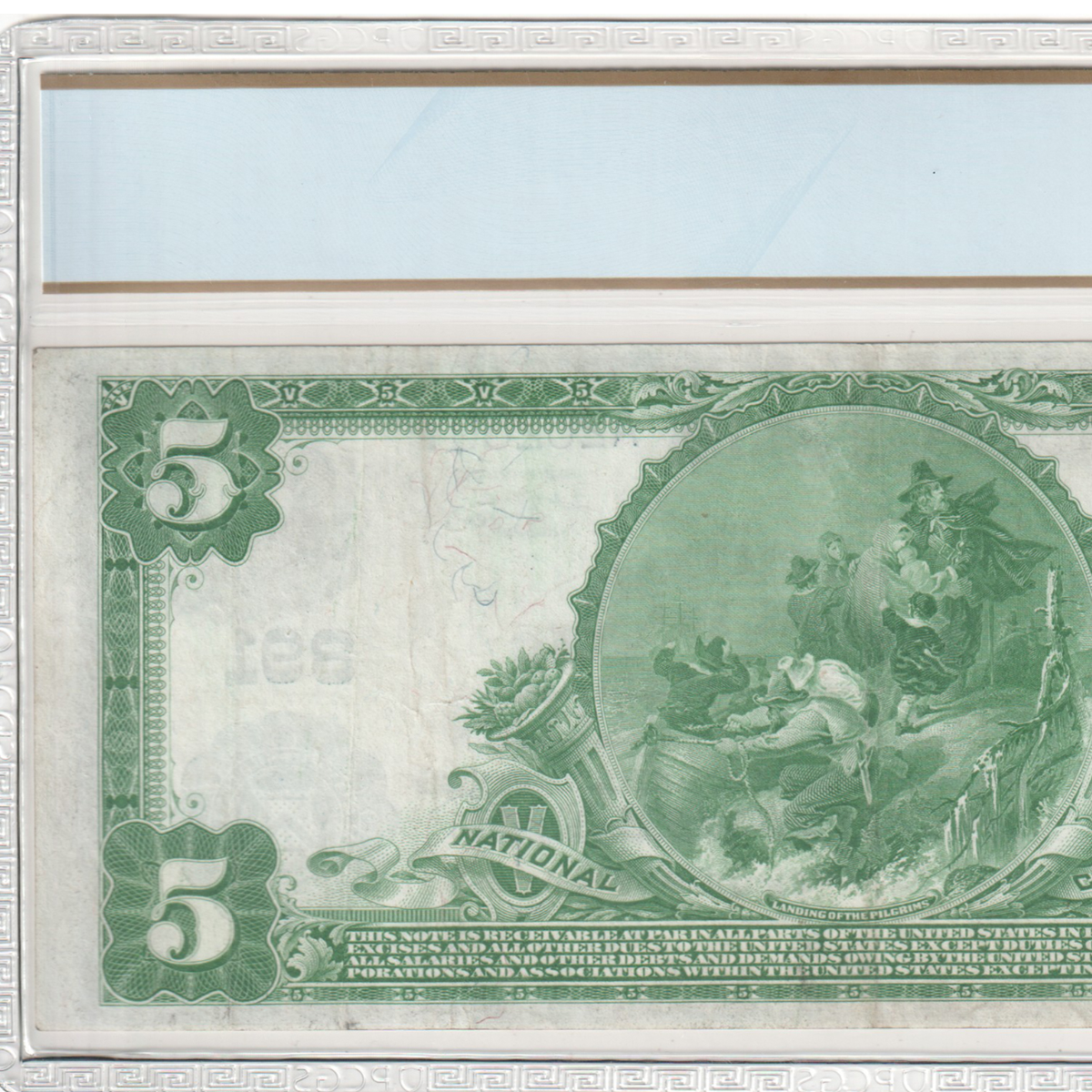 Image 5 of 9
 Image 6 of 9
 Image 7 of 9
 Image 8 of 9
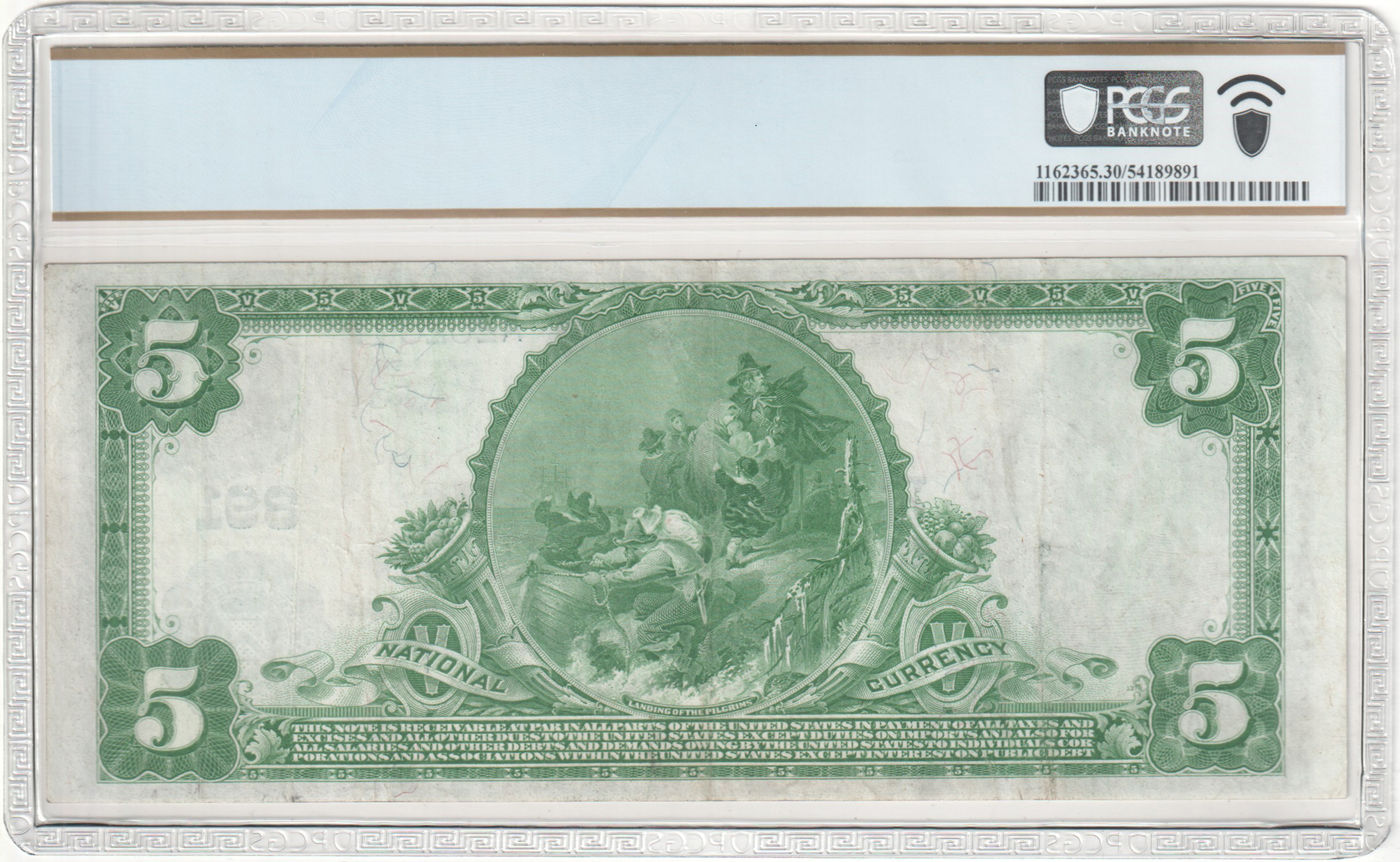 Image 9 of 9